Closet Demolition in Frederick, MD
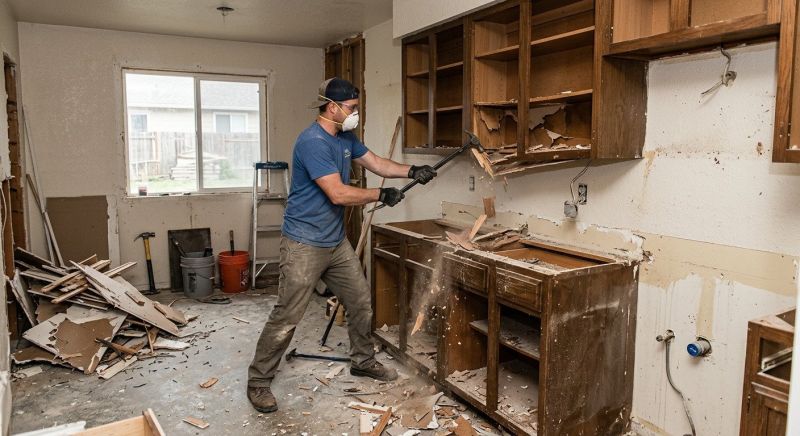
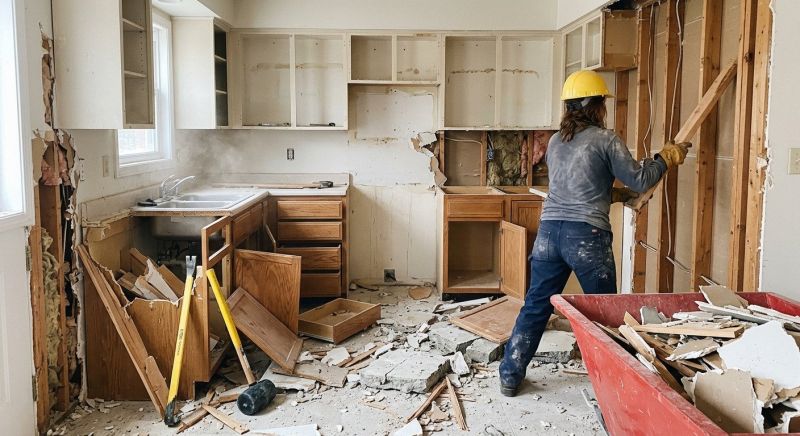
Closet demolition services involve carefully removing existing closet structures, including shelving, rods, doors, and framing, to prepare the space for renovation or repurposing. These projects typically include removing built-in or standalone closets in bedrooms, hallways, or utility areas, making way for new storage solutions or open layouts. Property owners usually seek this service when updating interior designs, enlarging rooms, or eliminating outdated closet systems to improve functionality and aesthetics.
Before requesting closet demolition, property owners should consider the scope of the removal, whether any structural components need to be preserved, and if there are any utilities or fixtures within the closet area that require special handling. It’s also helpful to understand the condition of the existing structures and whether additional work, such as wall repairs or finishing, will be necessary afterward. Clear communication about project goals can ensure the demolition process aligns with the overall renovation plans.
Many property owners in Frederick, MD look into Closet Demolition for repairs, replacements, upgrades, and appearance-related improvements.
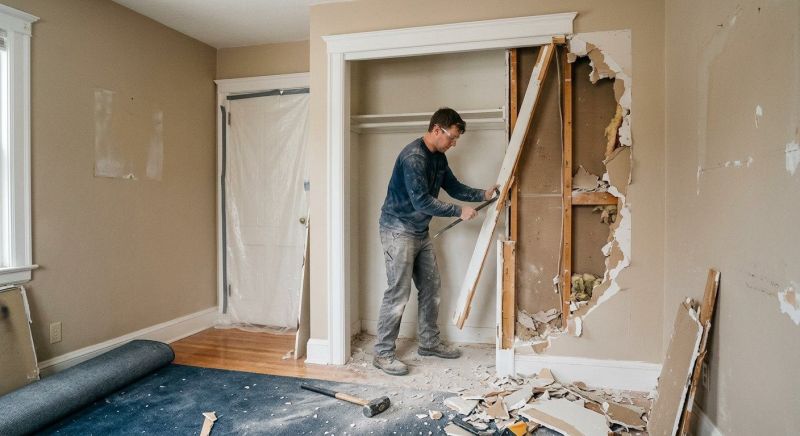
Closet Removal And Disposal
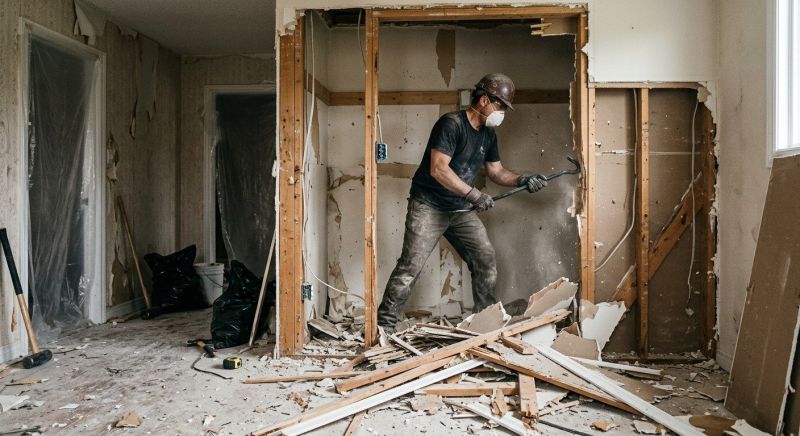
Efficiently removing built-in or standalone closets to create open space.
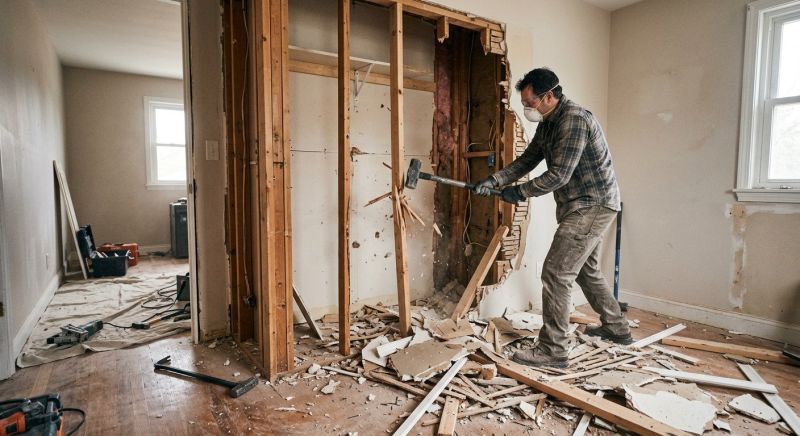
Interior Space Reconfiguration
Transforming rooms by removing closet structures to improve layout and functionality.
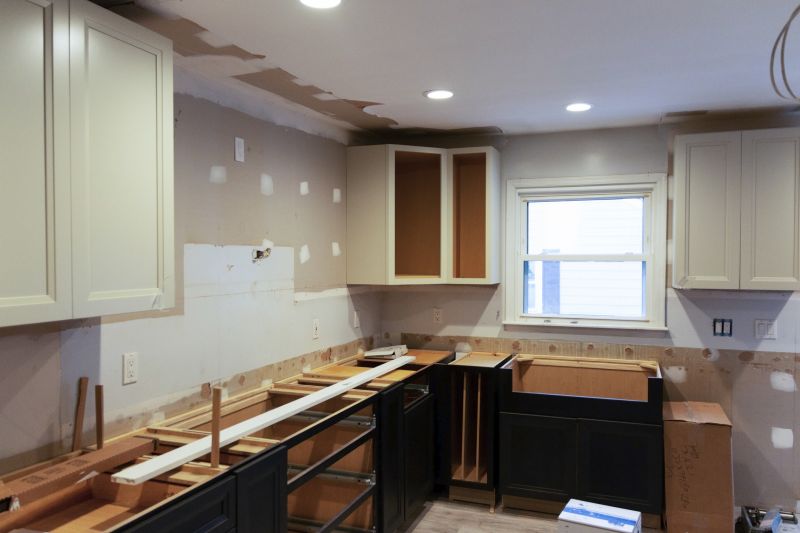
Renovation Preparation
Clearing out closets to prepare for remodeling or new interior designs in frederick, md.
Closet Demolition in Frederick, MD

Closet demolition services involve carefully removing existing closet structures, including shelving, rods, doors, and framing, to prepare the space for renovation or repurposing. These projects typically include removing built-in or standalone closets in bedrooms, hallways, or utility areas, making way for new storage solutions or open layouts. Property owners usually seek this service when updating interior designs, enlarging rooms, or eliminating outdated closet systems to improve functionality and aesthetics.
Before requesting closet demolition, property owners should consider the scope of the removal, whether any structural components need to be preserved, and if there are any utilities or fixtures within the closet area that require special handling. It’s also helpful to understand the condition of the existing structures and whether additional work, such as wall repairs or finishing, will be necessary afterward. Clear communication about project goals can ensure the demolition process aligns with the overall renovation plans.
Many property owners in Frederick, MD look into Closet Demolition for repairs, replacements, upgrades, and appearance-related improvements.
Common Closet Demolition Jobs
Closet removal - involves taking out existing closet structures to create open space.
Wall removal - includes demolishing closet walls to improve room layout and flow.
Built-in closet demolition - entails dismantling custom or built-in closet units for renovation.
Ceiling and floor removal - involves removing closet flooring or ceiling components during demolition.
Partition removal - includes taking down dividing walls within closets for larger storage areas.
Complete closet teardown - involves fully removing closet structures to prepare for new design or expansion.
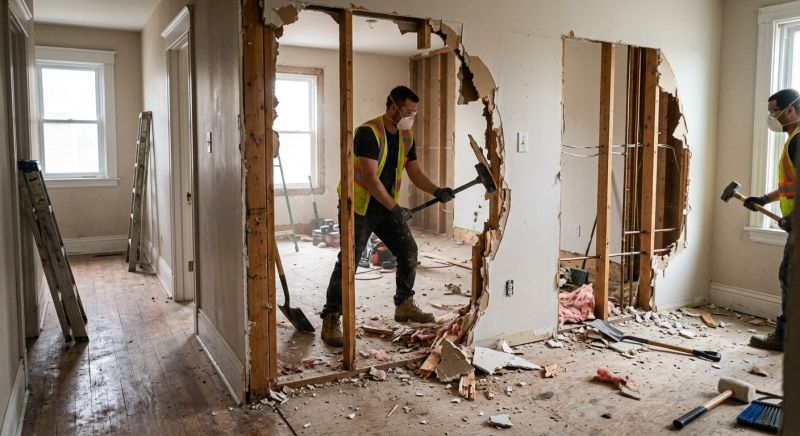
Closet Demolition Questions
What is involved in closet demolition? The process includes removing closet walls, shelving, and fixtures to prepare the space for renovation or new use.
Can existing closet structures be reused? Typically, demolition involves removing existing structures completely; reuse depends on the project scope.
What types of closets are commonly demolished? Walk-in closets, reach-in closets, and built-in wardrobe spaces are frequently part of demolition projects.
Is special equipment needed for closet demolition? Standard demolition tools are usually sufficient to safely remove closet components and framing.
Request Closet Demolition in Frederick, MD
Use the quote form on this page to share the basics of your project and request more information for the type of work you need.